
Zeolite
Natural microporous mineral for nutrient retention, substrate improvement and agro-industrial applications.
- Family
- Functional mineral
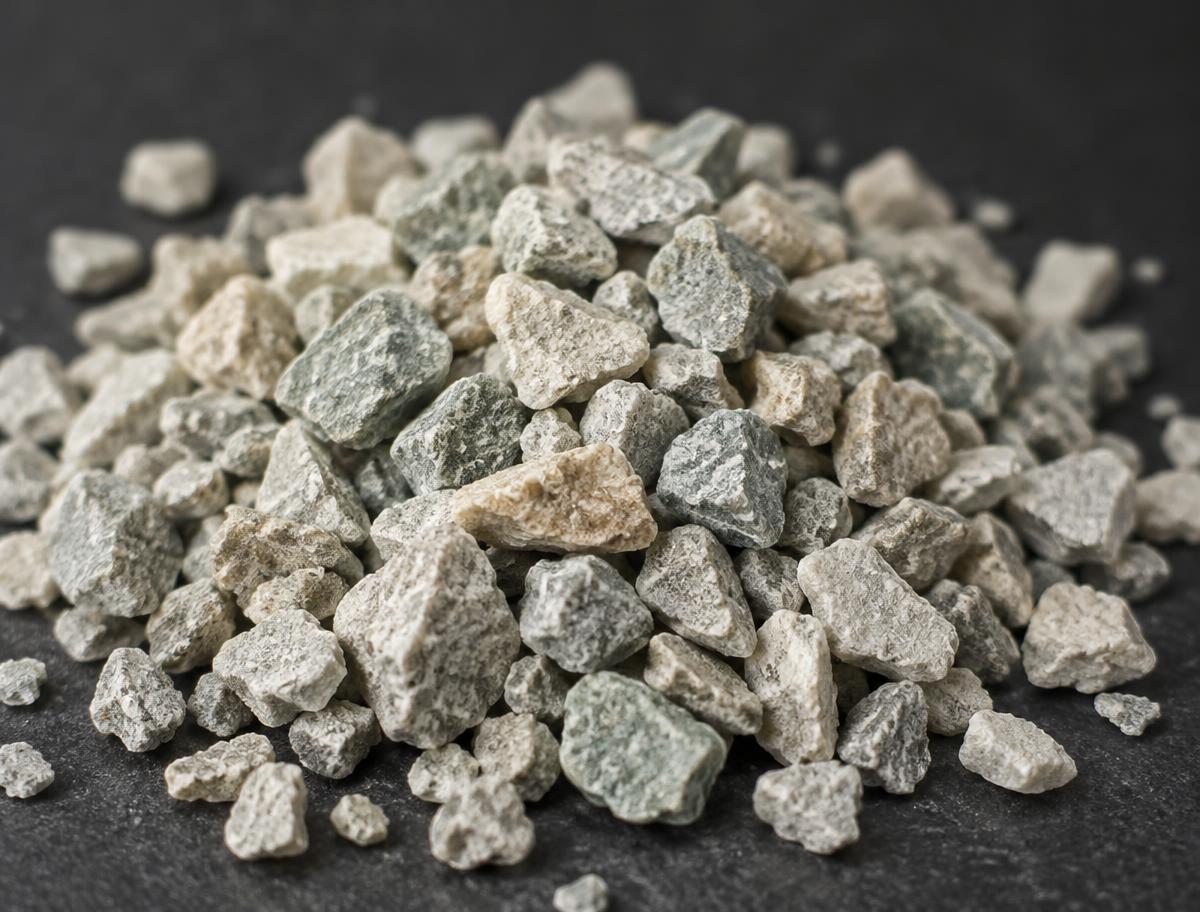
What it is
Zeolite
Zeolite is a natural mineral of volcanic origin belonging to the aluminosilicate family. Its microporous crystalline structure gives it adsorption and cation exchange properties. Clinoptilolite is one of the varieties used in agricultural and industrial applications. Product under commercial development: technical characteristics and supply conditions are subject to confirmation.
What it delivers
- Supports nutrient retention and exchange, especially ammonium and potassium.
- Potential to improve the use efficiency of certain fertilisers.
- May contribute to moisture retention in certain soils and substrates.
- Adsorption capacity for certain substances.
- Versatile mineral component in agricultural and agro-industrial formulations.
Applications
Applications
- 01
Substrate improvement for nurseries, horticulture and seedling production.
- 02
Nutrient retention and exchange in agricultural soils.
- 03
Mineral component for fertiliser formulations.
- 04
Additive in composting and organic waste management.
- 05
Mineral adsorbent in agro-industrial applications.
How it works
How it works
Zeolite's microporous structure and cation exchange capacity allow it to retain certain ions and release them through exchange with the soil solution. These properties may help improve nutrient availability and uptake. Response depends on mineral composition, cation exchange capacity, particle size, rate and soil or substrate characteristics. Not all zeolites share the same properties: variety, purity and chemical composition must be validated before recommending a specific application.
- 01
Microporos
Aluminosilicate crystal framework
- 02
CIC
Cation exchange within its channels
- 03
NH₄⁺ · K⁺
Holds certain ions
- 04
Liberación
Gradual exchange with the soil solution